

Indoor air often contains more toxins than outdoor air. Dust, smoke, chemicals, and mold can affect your health without you noticing. Learning how to protect yourself from indoor air pollution is essential for a healthy home. With a few simple habits, you can breathe cleaner and safer air every day.
Table of Contents
Why You Must Protect Yourself From Indoor Air Pollution
Indoor pollution can cause allergies, breathing issues, and fatigue. When you try to protect yourself from indoor air pollution, you reduce risks linked to long-term exposure. Children, elders, and people with asthma are more sensitive. Clean air boosts immunity, energy, and overall wellness.
1. Improve Ventilation Daily
Fresh air reduces toxins trapped indoors. Open windows every morning to let air circulate. Use exhaust fans in kitchens and bathrooms. Better airflow helps you protect yourself from indoor air pollution and maintain a fresh environment. Cross-ventilation also removes moisture that encourages mold growth.
2. Keep Dust and Allergens Under Control
Dust mites and allergens settle on furniture, carpets, and curtains. Vacuum regularly using a good-quality cleaner. Wash bedding weekly. Declutter shelves to reduce dust buildup. Clean surfaces often to protect yourself from indoor air pollution and avoid health discomforts. A dust-free home feels lighter and healthier.
3. Choose Indoor Plants Carefully
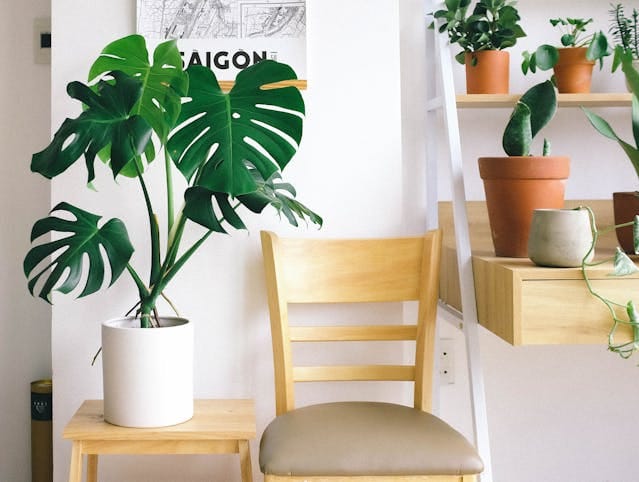
Some plants help clean toxins from the air. Snake plant, spider plant, and peace lily are great choices. They absorb harmful chemicals and release oxygen. However, avoid overwatering to prevent mold. Adding greenery is a natural way to protect yourself from indoor air pollution while improving your home’s appearance.
4. Avoid Synthetic Fragrances and Harsh Cleaners
Many household sprays release harmful chemicals into the air. Switch to natural cleaners like vinegar, lemon, and baking soda. Use essential oils instead of chemical room fresheners. This simple change helps you protect yourself and reduces unnecessary chemical exposure inside your home.
5. Maintain Your Appliances and Filters
Air conditioners, purifiers, and chimneys need regular cleaning. Dirty filters spread dust and pollutants back into the air. Clean or replace filters as recommended. This ensures your appliances work effectively. Maintaining them is one of the easiest ways to protect yourself from indoor air pollution and enjoy cleaner indoor air.
Conclusion
Clean indoor air is essential for a healthy life. When you actively protect yourself from indoor air pollution, you safeguard your lungs, immunity, and long-term well-being. Start with small, consistent steps. Your home will feel fresher, lighter, and healthier with every change you make.
[Read 5 Indoor Plants For Winters For Indian Homes]
FAQs
1. How is indoor air pollution different from outdoor pollution?
Indoor air pollution comes from household sources like dust, smoke, and chemicals, while outdoor pollution results from vehicles, industries, and environmental factors such as smog.
2. What are the main sources of indoor air pollution at home?
Common sources include cooking fumes, cleaning products, tobacco smoke, mold, dust mites, pet dander, and poor ventilation that trap pollutants inside the house.
3. How does poor indoor air quality affect health?
Prolonged exposure can cause headaches, allergies, coughing, fatigue, and respiratory problems. In severe cases, it may worsen asthma and reduce overall immune system strength.