
In this era of rapid change, good health has never been more critical. Having basic medical devices in your house allows you to keep track of your health and manage emergencies both quickly and effectively. These devices allow you to follow important health metrics, which helps you identify potential problems early on. Here are five must-have medical devices at home that every household should consider for better health management.
Table of Contents
1. Blood Pressure Monitor
A blood pressure monitor is one of the most important medical devices at home. High blood pressure, also known as hypertension, often has no symptoms but can lead to serious health conditions like heart disease or stroke. Having a reliable blood pressure monitor allows you to check your blood pressure regularly and manage it proactively.
2. Digital Thermometer
A digital thermometer is a basic yet essential tool for every household. Whether you need to check for a fever or monitor body temperature in case of illness, this device provides quick and accurate results. Among the most critical medical devices at home, a thermometer helps detect fever, which is often the first sign of infection or illness. Be sure to choose a thermometer that provides accurate readings in seconds, making it convenient for use on both adults and children.
3. Glucometer
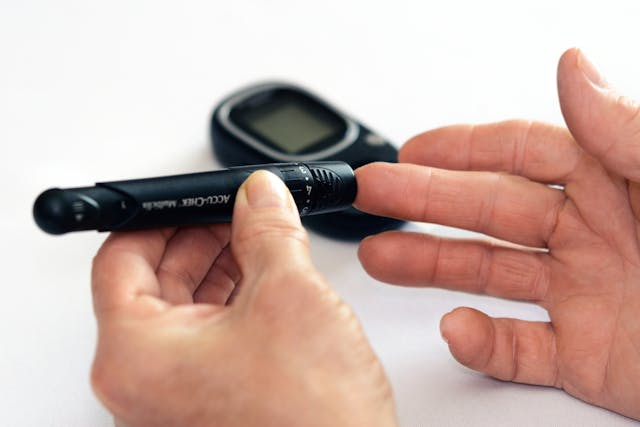
If you or a family member has diabetes, a glucometer is one of the must-have medical devices at home. This device allows you to monitor blood sugar levels regularly, ensuring that they remain within a healthy range. Proper blood glucose management can prevent complications such as heart disease, kidney damage, and nerve problems. Modern glucometers are portable and easy to use, allowing for quick checks throughout the day.
4. Pulse Oximeter
A pulse oximeter is a small, non-invasive device that measures the oxygen saturation level in your blood. It is especially useful for people with respiratory conditions such as asthma, COPD, or COVID-19. This device can alert you if your oxygen levels drop below a healthy threshold, helping you take immediate action. A pulse oximeter is one of the most vital medical devices at home, particularly during times of respiratory illness.
5. First-Aid Kit
While it may not be a “device” in the traditional sense, a first-aid kit is an essential part of your home medical setup. A well-stocked first-aid kit should include bandages, antiseptic wipes, pain relievers, and tools like tweezers and scissors. This ensures you’re prepared to handle minor injuries like cuts, burns, or insect bites. Having a first-aid kit readily available complements other medical devices at home, making sure you’re prepared for common household accidents.
Conclusion
Having these essential medical devices at home empowers you to monitor your health and manage emergencies with confidence. A blood pressure monitor, digital thermometer, glucometer, pulse oximeter, and first-aid kit ensure that you’re well-equipped to handle various health situations. These tools not only help in the early detection of potential issues but also offer peace of mind, knowing you can respond promptly to any medical concerns.
[Read A List of the Best Furniture for Old People]
FAQs
How do I use a home blood pressure monitor correctly?
Sit quietly for 5 minutes before measuring, rest your arm at heart level, and avoid eating or smoking 30 minutes prior.
How should I store and maintain home medical devices?
Store devices in a clean, dry place away from extreme temperatures, and follow manufacturer guidelines for cleaning and maintenance.
How often should I replace my home medical devices?
Replace devices according to manufacturer’s recommendations or if they show signs of wear, malfunction, or inaccuracy in readings.