
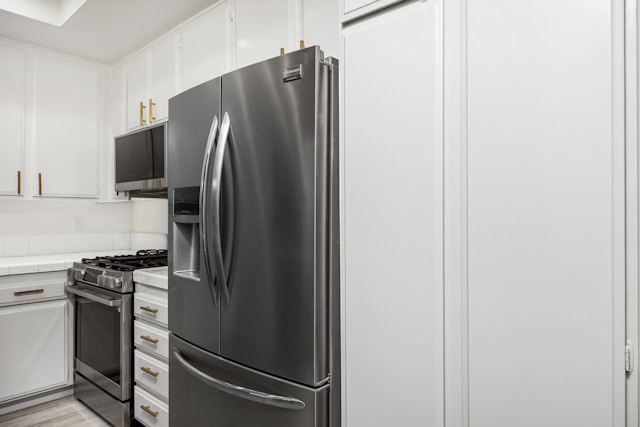
A refrigerator is one of the most important long-term investments homeowners make for their kitchens. Unlike small appliances that may be replaced every few years, refrigerators are expected to provide reliable performance for a decade or more. Most standard refrigerators last between 10 and 15 years, while premium built-in models can remain operational for 20 years or longer when properly maintained.
Today’s market offers a wide range of refrigerator styles, each designed to meet different storage needs, kitchen layouts, and household budgets. From French door models and side-by-side units to built-in luxury refrigerators and smart appliances, buyers have more choices than ever before.
Choosing the wrong refrigerator can lead to wasted space, higher utility bills, storage frustrations, and long-term dissatisfaction. Understanding the strengths and limitations of each style can help homeowners make a smarter purchasing decision that delivers value for years to come.
Table of Contents
Key Takeaways
- There is no single refrigerator style that works best for every household.
- French door refrigerators remain the most popular choice for modern families.
- Side-by-side models offer convenient access to both fresh and frozen foods.
- Built-in refrigerators provide premium aesthetics and exceptional longevity.
- Energy efficiency and maintenance costs are just as important as purchase price.
- Household size and kitchen layout often determine the most practical option.
Why Refrigerator Choice Matters?
Purchasing a refrigerator is about more than selecting a colour or brand. The appliance you choose will influence daily convenience, food storage, energy consumption, and even kitchen functionality.
Refrigerators Are Long-Term Investments
Unlike many other household purchases, refrigerators operate continuously.
Typical lifespan expectations include:
- Top-freezer refrigerators: 10–15 years
- Bottom-freezer refrigerators: 10–15 years
- French door refrigerators: 10–15 years
- Side-by-side refrigerators: 10–15 years
- Built-in refrigerators: 20+ years
Because refrigerators run 24 hours a day, choosing a reliable model can significantly affect long-term ownership costs.
Factors That Influence Buying Decisions
Every household has unique requirements.
Important considerations include:
- Family size
- Grocery shopping habits
- Available kitchen space
- Cooking frequency
- Energy efficiency goals
- Budget constraints
Common Buying Mistakes
Many homeowners make decisions based solely on appearance.
Common mistakes include:
- Prioritizing design over functionality
- Ignoring storage requirements
- Overlooking maintenance costs
- Choosing oversized appliances for smaller kitchens
- Failing to account for future needs
French Door Refrigerators
French door refrigerators have become the dominant choice in modern kitchens.
How They Are Designed
These models typically feature:
- Two side-opening refrigerator doors
- A pull-out bottom freezer drawer
This design places fresh foods at eye level while keeping frozen items below.
Advantages
Benefits include:
- Wide shelves for large platters and containers
- Easy access to frequently used foods
- Modern appearance
- Excellent organization options
Potential Drawbacks
Potential disadvantages include:
- Higher purchase costs
- More complex repair requirements
- Larger space requirements
Popular Models
Some of the most popular French door refrigerators include:
- Samsung Family Hub French Door Series
- LG InstaView French Door Refrigerators
- GE Profile French Door Models
Best For
French door refrigerators work particularly well for:
- Large families
- Frequent grocery shoppers
- Entertaining households
- Modern kitchens
Side-by-Side Refrigerators
Side-by-side models remain a popular option for many households.
Design Overview
These refrigerators position:
- The freezer on one side
- The refrigerator on the other
Both compartments run vertically from top to bottom.
Advantages
Benefits include:
- Easy access to frozen foods
- Narrow door swing
- Efficient organization
- Convenient shelving layouts
Potential Drawbacks
Limitations may include:
- Narrow shelf widths
- Reduced storage flexibility
- Difficulty storing large trays or platters
Popular Brands
Well-known side-by-side options include:
- Whirlpool
- GE
- Frigidaire
Best For
These models are ideal for:
- Medium-sized households
- Kitchens with limited clearance
- Homeowners who use frozen foods frequently
Bottom-Freezer Refrigerators
Bottom-freezer refrigerators continue to attract homeowners who prioritize fresh food accessibility.
Why They Remain Popular
Fresh foods are positioned at eye level, reducing bending and improving convenience.
Advantages
Benefits include:
- Easier access to fresh items
- Improved visibility
- Comfortable daily use
Potential Drawbacks
Common limitations include:
- Smaller freezer organization systems
- Less freezer accessibility
Best For
Bottom-freezer units often work well for:
- Couples
- Small families
- Homeowners who prioritize fresh ingredients
Top-Freezer Refrigerators
The traditional top-freezer refrigerator remains one of the most affordable options available.
Traditional Refrigerator Design
This configuration places:
- The freezer on top
- The refrigerator compartment below
It has remained popular for decades because of its simplicity and reliability.
Advantages
Benefits include:
- Lower purchase prices
- Proven reliability
- Lower maintenance costs
- Straightforward operation
Potential Drawbacks
Disadvantages may include:
- Less ergonomic design
- Fewer premium features
- Reduced convenience compared to newer styles
Best For
Top-freezer refrigerators are often chosen by:
- Budget-conscious buyers
- Rental property owners
- Homeowners seeking secondary refrigerators
Built-In Refrigerators
Built-in refrigerators represent the premium end of the refrigeration market.
What Makes Them Different?
Unlike freestanding units, built-in refrigerators are designed to:
- Sit flush with cabinetry
- Integrate seamlessly into kitchen designs
- Create a custom appearance
Advantages
Benefits include:
- Luxury aesthetics
- Exceptional durability
- Strong resale appeal
- Long service life
Potential Drawbacks
Potential concerns include:
- High purchase costs
- Specialized repairs
- Professional installation requirements
Premium Brands
Leading built-in refrigerator manufacturers include:
- Sub-Zero
- Viking
- Monogram
Best For
Built-in refrigerators are ideal for:
- Luxury kitchens
- Custom home projects
- Long-term homeowners
Counter-Depth Refrigerators
Counter-depth models have grown increasingly popular among design-conscious homeowners.
Understanding Counter-Depth Design
These refrigerators are shallower than standard units and align more closely with surrounding cabinetry.
Advantages
Benefits include:
- Streamlined appearance
- Improved traffic flow
- Modern kitchen aesthetics
Potential Drawbacks
Because they are shallower, they typically provide:
- Less overall storage capacity
- Reduced interior depth
Best For
Counter-depth models are often preferred by:
- Homeowners prioritizing appearance
- Contemporary kitchen designs
- Open-concept layouts
Smart Refrigerators: Convenience or Unnecessary Expense?
Smart technology continues to reshape the appliance industry.
Features Available Today
Many smart refrigerators offer:
- Touchscreen controls
- Internal cameras
- Wi-Fi connectivity
- Voice assistant integration
- Mobile app monitoring
Benefits
Advantages may include:
- Inventory tracking
- Grocery management
- Smart home integration
- Energy monitoring
Potential Downsides
Potential concerns include:
- Higher purchase prices
- Software issues
- More electronic components requiring service
Popular Smart Models
Leading options include:
- Samsung Family Hub
- LG ThinQ Refrigerators
- GE Smart Refrigerators
How to Choose the Right Refrigerator for Your Household
The best refrigerator depends on your specific lifestyle and needs.
Consider Household Size
Storage needs vary significantly.
Examples:
- Singles and couples often require 14–18 cubic feet.
- Families of four commonly need 20–25 cubic feet.
- Larger households may require 25+ cubic feet.
Evaluate Kitchen Space
Consider:
- Door clearance
- Appliance dimensions
- Walkway space
- Built-in versus freestanding designs
Think About Shopping Habits
Households that buy groceries in bulk often benefit from larger refrigerator capacities and freezer space.
Consider Long-Term Costs
Evaluate:
- Energy consumption
- Maintenance requirements
- Repair frequency
- Warranty coverage
Many homeowners ask, which types of refrigerators tend to be the best choice? The answer depends on factors such as household size, kitchen layout, food storage needs, and budget rather than a single universally superior style.
Energy Efficiency Considerations
Because refrigerators run continuously, efficiency matters.
Why Efficiency Matters
Energy-efficient refrigerators can:
- Lower utility bills
- Reduce environmental impact
- Improve long-term savings
Energy Star Benefits
Energy Star-certified models often provide:
- Reduced electricity consumption
- Lower operating costs
- Improved environmental performance
Features That Improve Efficiency
Look for:
- Inverter compressors
- Improved insulation
- LED lighting
- Advanced temperature management systems
Common Maintenance Needs Across All Refrigerator Types
Regardless of style, every refrigerator benefits from routine maintenance.
Cleaning Condenser Coils
Dirty coils reduce efficiency and increase compressor workload.
Inspecting Door Seals
Damaged seals contribute to:
- Energy waste
- Temperature fluctuations
- Frost buildup
Replacing Water Filters
Timely filter replacement improves:
- Water quality
- Ice production
- Appliance performance
Monitoring Temperature Settings
Recommended temperatures:
- Refrigerator: 35°F–38°F
- Freezer: 0°F
Scheduling Professional Inspections
Routine inspections help identify small issues before they become expensive repairs.
Which Refrigerator Type Offers the Best Long-Term Value?
Best Value for Families
French door refrigerators offer excellent storage flexibility and convenience.
Best Budget Option
Top-freezer refrigerators remain among the most affordable and reliable choices.
Best Luxury Investment
Built-in Sub-Zero and Viking refrigerators provide exceptional longevity and premium aesthetics.
Best Balance of Price and Performance
Bottom-freezer refrigerators often deliver strong functionality without the premium pricing of French door models.
Conclusion
The best refrigerator is ultimately the one that aligns with your household’s storage needs, kitchen layout, budget, and lifestyle. Every refrigerator style offers unique strengths and trade-offs, whether you’re prioritizing affordability, convenience, aesthetics, or long-term durability.
By comparing design features, energy efficiency, maintenance requirements, and ownership costs, homeowners can make more informed purchasing decisions. Taking the time to evaluate your needs today can result in better performance, lower operating costs, and greater satisfaction for years to come.
FAQs
Which refrigerator style is most popular today?
French door refrigerators are currently the most popular choice because they offer flexible storage, modern aesthetics, and easy access to fresh foods.
Are built-in refrigerators worth the extra cost?
For homeowners seeking luxury design, durability, and long-term value, built-in refrigerators can be an excellent investment.
Which refrigerator style provides the most storage space?
French door and large side-by-side refrigerators generally offer the highest storage capacities.
How long should a refrigerator last?
Most standard refrigerators last between 10 and 15 years, while premium built-in models can often exceed 20 years.
What size refrigerator does a family of four need?
Most families of four benefit from a refrigerator with approximately 20–25 cubic feet of storage capacity.