
Water damage can weaken your home’s structure and reduce its value over time. Leaks, damp walls, and mold often begin with small problems that go unnoticed. Following effective waterproofing tips helps protect your property from moisture while reducing expensive repair costs. Preventive maintenance keeps your home safe, dry, and comfortable throughout the year.
Table of Contents
Essential Effective Waterproofing Tips for Every Home
1. Repair Cracks in Walls and Roofs
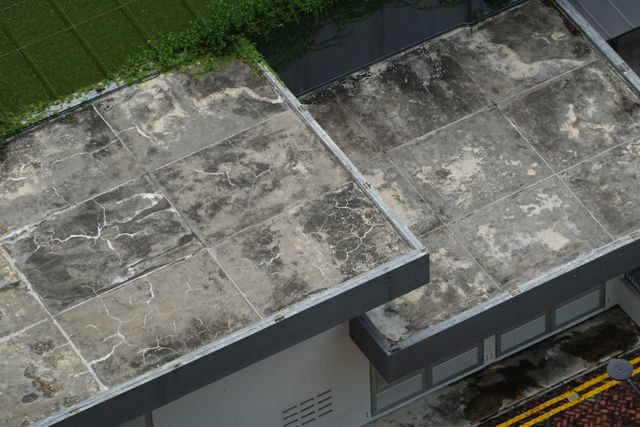
Small cracks allow rainwater to enter your home. Inspect walls, ceilings, and roofs regularly for visible damage. Seal cracks using quality waterproof fillers or sealants. Early repairs prevent moisture from spreading and damaging paint, plaster, and concrete surfaces.
2. Waterproof Bathrooms and Wet Areas
Bathrooms, kitchens, and utility spaces remain exposed to water daily. Apply waterproof coatings beneath tiles during construction or renovation. Check grout lines regularly for damage. Waterproofing wet areas is one of the most effective waterproofing tips for preventing hidden leaks.
3. Maintain Proper Roof Drainage
Blocked gutters and drainage pipes cause water to collect on roofs. Standing water increases the risk of leaks and structural damage. Clean gutters regularly and remove leaves or debris. Proper drainage supports effective waterproofing tips by directing rainwater away from your home.
4. Protect Exterior Walls
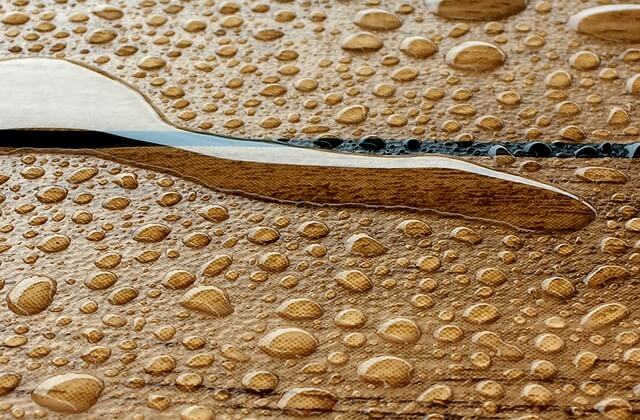
Exterior walls face constant exposure to rain and humidity. Apply high-quality waterproof exterior paint or protective coatings. These coatings create a barrier against moisture while improving durability. Protecting outside walls remains one of the most reliable effective waterproofing tips for long-term home maintenance.
5. Inspect Plumbing Regularly
Hidden plumbing leaks often cause damp patches and mold growth. Check pipes under sinks, behind appliances, and near water tanks. Repair leaks immediately before they worsen. Regular plumbing inspections are among the most practical effective waterproofing tips for every homeowner.
Additional Ways to Prevent Water Damage
Ensure proper ventilation throughout the house to reduce humidity. Avoid storing wet items against walls. Inspect balconies, terraces, and windows before every rainy season. Preventive care strengthens the results of effective waterproofing tips and keeps moisture under control.
Conclusion
Investing in waterproofing is a smart way to safeguard your home’s structural integrity for years to come. Small maintenance tasks today prevent major structural issues tomorrow. By following these effective waterproofing tips, you can safeguard your walls, roof, and interiors from water damage. Regular inspections and timely repairs ensure your home remains strong, dry, and comfortable during every season.
[Read 10 Easy Ways to Remove Damp Smell from Your Home During Rainy Season]
FAQs
What are the common signs that a house needs waterproofing?
Common signs include damp walls, peeling paint, mold growth, water stains, musty odors, ceiling leaks, and visible cracks that allow moisture to seep inside.
Which areas of a home require waterproofing the most?
Roofs, terraces, basements, bathrooms, balconies, exterior walls, and foundations need the most waterproofing because they are regularly exposed to rain, moisture, and water seepage.
When is the best time to waterproof a house?
The ideal time is before the rainy season, preferably during dry weather. This allows waterproofing materials to cure properly and provides reliable protection against future water damage.