
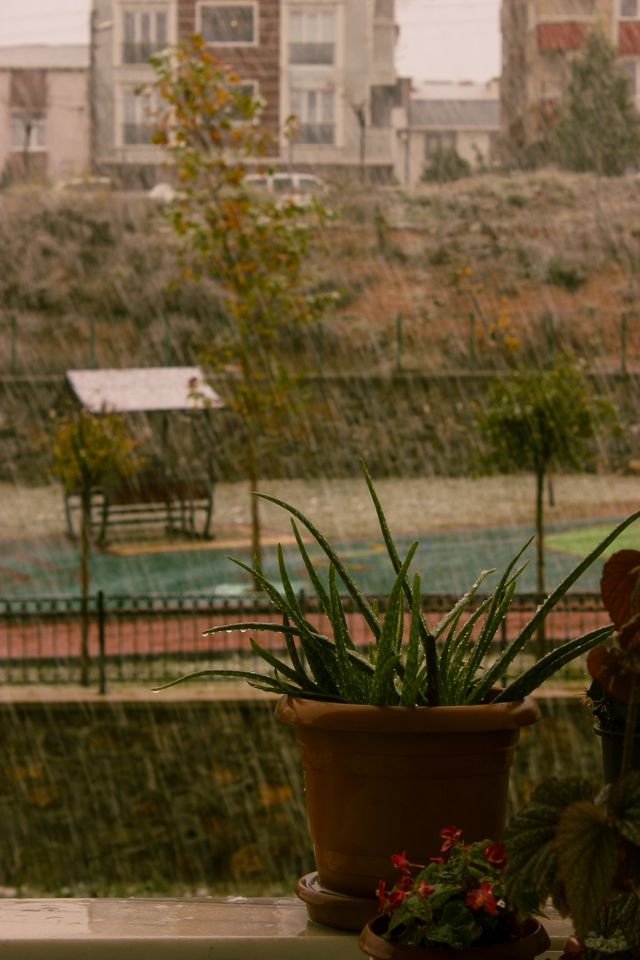
The rainy season brings cool weather and refreshing showers. However, it also introduces unwanted damp odors into homes. Moisture trapped in walls, furniture, and fabrics creates an unpleasant smell. Learning how to remove damp smell effectively can make your home feel fresh and inviting throughout the monsoon.
Fortunately, a few simple habits can help you tackle this common problem.
Table of Contents
10 Simple Tips to Remove Damp Smell Naturally
1. Open Windows Whenever Possible
Fresh air circulation reduces trapped moisture. Open windows during dry periods to improve ventilation and eliminate stale odors.
2. Let Sunlight In
Sunlight naturally kills bacteria and mold that cause musty smells. Pull back curtains and allow natural light indoors.
3. Use Baking Soda
Place bowls of baking soda in damp areas. It absorbs moisture and neutralizes unpleasant odors effectively.
4. Keep Furniture Away from Walls
Furniture placed too close to the walls traps moisture. Leave small gaps to improve airflow and reduce dampness.
5. Clean Curtains and Upholstery
Soft furnishings absorb moisture easily. Vacuum them regularly and dry them thoroughly to remove damp smell before it spreads.

6. Use Activated Charcoal
Activated charcoal works as a natural odor absorber. Place small containers in wardrobes and storage spaces.
7. Fix Water Leaks Promptly
Leaking pipes and roof seepage increase humidity indoors. Repair them quickly to prevent recurring musty odors.
8. Mop Floors with Vinegar Solution
A mild vinegar solution helps disinfect surfaces and eliminate odor-causing bacteria. This method can remove damp smell from floors effectively.
9. Use Essential Oils
Add a few drops of lavender, lemon, or eucalyptus oil to diffusers. They provide a refreshing natural fragrance.
10. Invest in Moisture Control
Use dehumidifiers or moisture absorbers in highly humid areas. Controlling humidity helps remove damp smell and prevents mold growth.
Common Causes of Damp Odors
Heavy rainfall increases indoor humidity levels. Poor ventilation, wet clothes drying indoors, and hidden leaks worsen the situation. Mold and mildew thrive in such conditions. Identifying these causes allows homeowners to remove damp smell more effectively and prevent future problems.
Prevent Damp Smells Before They Start
Regular cleaning and maintenance go a long way. Air out wardrobes and storage spaces often. Avoid leaving wet towels or rugs indoors. Preventive measures help remove damp smell before it becomes noticeable and difficult to manage.
Conclusion
Damp odors can make even the cleanest homes feel uncomfortable during the rainy season. Thankfully, simple changes can make a big difference. By following these practical tips to remove damp smell, you can enjoy a fresher, healthier, and more pleasant home throughout the monsoon months. Regular care and moisture control will keep musty odors away for good.
[Read How To Get Rid Of Termites Permanently?]
FAQs
What causes a damp smell in the house during the rainy season?
Excess moisture, poor ventilation, damp fabrics, and water seepage create ideal conditions for odor-causing microbes, resulting in a persistent damp smell indoors.
Why does my home smell musty when it rains?
Rainy weather increases indoor humidity, allowing mold spores and bacteria to thrive on damp surfaces, carpets, and upholstery, which produces a musty odor.
Is a damp smell a sign of mold or mildew?
Yes, a lingering damp smell often indicates mold or mildew growth. Prompt inspection and moisture control can help prevent further damage and health concerns.