
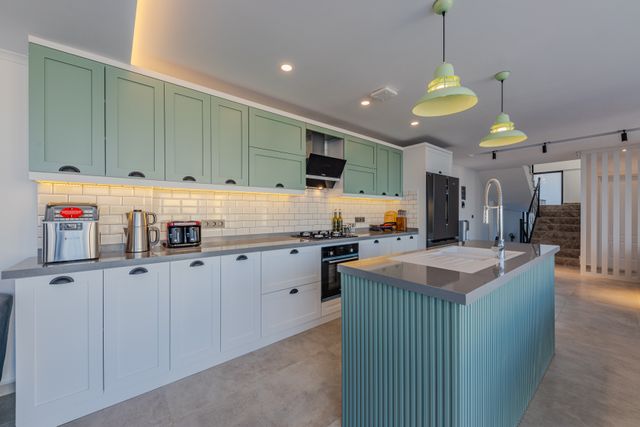
A cluttered kitchen can make everyday cooking feel harder than it needs to be. Searching for spices, misplaced utensils, or matching containers wastes valuable minutes. By following a simple strategy, you can easily organize your cupboards to fit your daily routine. Learning how to organize kitchen cabinets helps you use space wisely, reduce food waste, and keep essentials within easy reach.
Table of Contents
How To Organize Kitchen Cabinets Before You Begin
Start by emptying one cabinet at a time. Check expiry dates, remove broken items, and set aside duplicates you rarely use. Consider donating unopened food and items in good condition, and recycle any packaging. Cleaning the shelves before returning anything gives you a fresh starting point.
1. Group Similar Items Together
Create clear categories for cookware, plates, glasses, baking supplies, snacks, and pantry staples. Store everyday plates close to the dishwasher or drying rack. Put baking ingredients together rather than scattering them across several shelves. This approach makes how to organize kitchen cabinets more practical because every item has an obvious home.
2. Use Shelf Height Wisely
Place taller objects at the back and shorter items in front. Stack matching bowls and nest pots where possible. Keep heavy cookware on lower shelves to make lifting safer. Avoid overcrowding shelves, since tightly packed items are harder to reach.

3. Make Use of Cabinet Doors
The inside of cabinet doors can hold lightweight tools and small essentials. Install suitable hooks for measuring spoons, oven mitts, or pot lids. Slim racks can store wraps and packets when the door closes securely. Check the door’s weight limit before adding organizers. Small additions show how to organize kitchen cabinets without sacrificing another shelf.
4. Choose Containers and Dividers
Label containers with names and, where useful, opening dates. Use drawer or shelf dividers to separate lids, utensils, and small kitchen tools. Measure shelves before buying organizers, so everything fits properly. You can also reuse clean jars and sturdy boxes to control costs.
5. Keep Frequently Used Items Accessible
Place daily essentials at eye level or on the easiest-to-reach shelves. Store occasional appliances and special-occasion serveware higher up, provided they remain safe to lift. Keep children’s snacks within approved reach, while storing sharp tools and cleaning products securely. Thoughtful placement ensures your cabinet layout is practical for everyday use rather than just visually appealing.
Conclusion
You don’t need a big budget or a total renovation to create an organized kitchen. Declutter first, group similar items, use vertical space, and choose organizers that suit your cupboards. Learning how to organize kitchen cabinets can save time, reduce frustration, and make cooking more enjoyable. Start with one shelf today, then build a system you can maintain comfortably.
[Read How to Get Rid of Cockroaches in Kitchen Permanently]
FAQs
1. What is the most effective way to organize kitchen cabinets?
To learn how to organize kitchen cabinets, remove unnecessary items, group similar products, and arrange frequently used cookware, dishes, and ingredients within easy reach.
2. How can I organize kitchen cabinets to save space?
Use stackable containers, shelf risers, vertical dividers, and rotating organizers. Store rarely used items on higher shelves and keep similar products grouped together to maximize space.
3. What common mistakes should I avoid when organizing kitchen cabinets?
Avoid overcrowding shelves, mixing unrelated items, ignoring expired food, and storing heavy cookware overhead. Keep frequently used essentials accessible and maintain a consistent organization system.