
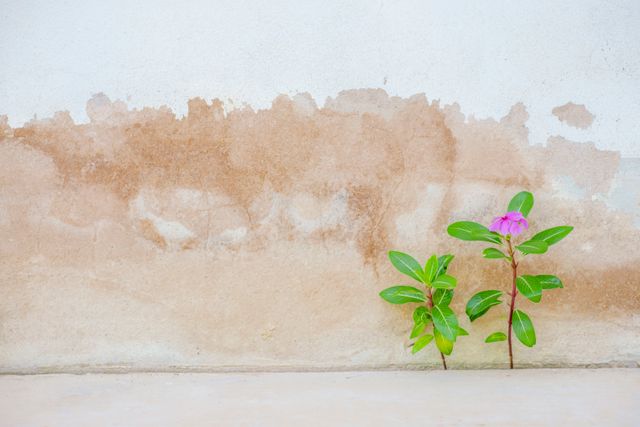
Monsoon rains can leave walls damp, stained, and unpleasant. Moisture may enter through cracks, roofs, windows, or plumbing leaks. Learning how to fix damp walls at home helps protect paint, plaster, and household health. Quick action also prevents moisture from spreading into nearby areas.
Before repairs, always identify the moisture source. Covering stains without fixing leaks usually causes the problem to return.
Table of Contents
Effective Ways to Fix Damp Walls at Home
To fix damp walls at home, start with a careful inspection. Look for peeling paint, dark patches, bubbling surfaces, musty odors, or visible cracks. These signs can reveal where moisture enters.
If you notice persistent moisture, consider a professional inspection. Hidden plumbing leaks or structural problems need proper assessment before cosmetic repairs begin.
1. Find and Stop the Water Source
Check roofs, pipes, windows, balconies, and exterior walls carefully. Repair leaking pipes and damaged roofing immediately. Seal gaps around windows and doors with suitable weatherproof materials.
Stopping water entry remains the most important step to fix damp walls at home. Without this step, other repairs may fail.
2. Allow the Wall to Dry Completely
Do not repaint damp surfaces immediately. Open windows and doors to improve ventilation. Use fans or dehumidifiers to speed up drying when needed.
Complete drying helps prevent trapped moisture beneath new paint. Patience at this stage makes it easier to fix damp walls at home successfully.
3. Remove Damaged Paint and Plaster
Scrape away peeling paint, loose plaster, and damaged wall coverings. Remove affected material until you reach a firm surface. Dispose of damp debris properly.
Wear gloves and a suitable mask while cleaning damaged areas. This preparation creates a cleaner base for future repairs.
4. Treat Mold and Mildew Carefully
Damp walls can encourage mold growth. Clean small affected areas using an appropriate mold-cleaning solution. Follow product instructions and maintain good ventilation during cleaning.
Large or recurring mold growth needs professional attention. Proper treatment supports efforts to fix damp walls at home while protecting the wall surface.
5. Apply Waterproofing Treatment
Choose a suitable waterproofing coating for the affected wall. Exterior walls may need weather-resistant waterproof coatings. Interior walls can require specialized damp-proof treatments.
Follow manufacturer instructions carefully during application. Proper waterproofing provides additional protection against future moisture problems.
6. Repaint with Moisture-Resistant Paint
Apply a suitable primer after the wall dries fully. Then choose moisture-resistant interior or exterior paint. Use two thin coats instead of one heavy coat.
Allow each layer to dry according to product instructions. Fresh paint restores appearance while adding another protective layer.
Conclusion
Damp walls need more than fresh paint. You must identify the moisture source, dry the surface, repair damage, and prevent future water entry. Following these steps can help you fix damp walls at home safely and effectively. With regular maintenance, your walls can remain cleaner, stronger, and better protected after every monsoon.
[Read 5 Effective Waterproofing Tips For Your Home]
FAQs
1. How can I identify dampness in walls?
Look for peeling paint, dark patches, bubbling surfaces, musty odors, mold growth, or white powdery deposits. These signs often indicate moisture trapped inside walls.
2. Is dampness on walls a serious problem?
Yes, persistent wall dampness can damage paint, plaster, and structural materials while encouraging mold growth. Addressing the moisture source early helps prevent expensive repairs.
3. How does rainwater cause damp walls?
Rainwater can seep through cracks, damaged exterior coatings, roofs, or poorly sealed windows. Prolonged moisture exposure allows water to penetrate walls, causing stains, peeling paint, and dampness.