
Cockroaches can make any kitchen feel unhygienic and uncomfortable. They hide in cracks, cabinets, drains, and dark corners. Learning how to get rid of cockroaches in kitchen requires more than spraying insects. You need cleanliness, moisture control, sealing, and consistent prevention. A complete approach helps reduce infestations and prevents them from returning.
Table of Contents
Effective Ways to Get Rid of Cockroaches in Kitchen
To get rid of cockroaches in kitchen, start by removing the things that attract them. Food crumbs, standing water, grease, and clutter create ideal conditions. Regular cleaning and proper storage can make your kitchen less attractive to pests.
1. Keep Food Properly Stored
Store grains, snacks, and pet food inside airtight containers. Avoid leaving fruits, bread, or leftovers exposed overnight. Wipe counters after meals and clean crumbs from floors. These simple habits reduce food sources and support your efforts to get rid of cockroaches in kitchen.
2. Clean Grease and Food Residue
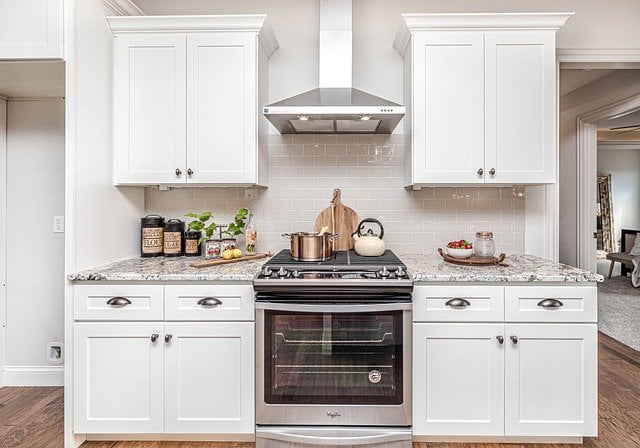
Cockroaches are attracted to grease and food residue around cooking areas. Clean stovetops, kitchen counters, and cabinet surfaces regularly. Pay extra attention to corners behind appliances. Regular degreasing removes hidden food sources and discourages pest activity.
3. Fix Leaks and Remove Moisture
Cockroaches need water to survive. Repair leaking taps, pipes, and drainage problems promptly. Dry sinks and countertops before bedtime. Avoid leaving wet sponges near the sink. Moisture control is essential when trying to get rid of cockroaches in kitchen effectively.
4. Seal Cracks and Gaps
Inspect walls, cabinets, windows, and plumbing openings for possible entry points. Seal small cracks with appropriate caulk or filler. Repair damaged screens and close gaps around pipes. Blocking entry routes makes it harder for cockroaches to return.
5. Remove Clutter Regularly
Cardboard boxes, newspapers, and unused containers provide hiding places. Remove unnecessary items from cabinets and corners. Keep storage areas organized and dry. Decluttering reduces hiding spots and supports long-term pest control.
6. Use Baits Carefully
Cockroach baits can help get rid of cockroaches in kitchen when used correctly. Place products near hiding areas, under appliances, or beside cabinets. Follow the label instructions carefully. Keep baits away from children and pets. Baits work better when food and water sources are limited.
7. Consider Professional Pest Control
Heavy infestations may need professional treatment. Pest control experts can identify nesting areas and suitable treatment methods. They can also recommend preventive measures for your kitchen. Professional support may be necessary when home methods fail.
Prevent Cockroaches From Returning
Maintaining a clean kitchen is important after treatment. Empty garbage bins regularly and clean drains frequently. Check stored food for signs of pests. Continue sealing gaps and controlling moisture. These habits help maintain long-term protection.
Conclusion
Cockroach control requires consistent effort, not one quick solution. Keep food sealed, remove moisture, clean regularly, and close entry points. Use baits carefully and seek professional help when needed. These practical steps can help get rid of cockroaches in kitchen and keep your cooking space cleaner, safer, and more comfortable indoors for your family.
[Read How to Prevent Mosquitoes at Home During Monsoon]
FAQs
1. What causes cockroaches to come into my kitchen?
Cockroaches are attracted to food crumbs, grease, moisture, overflowing garbage, and accessible water sources. Cracks, gaps, and clutter also provide easy entry and shelter.
2. How can I tell if my kitchen has a cockroach infestation?
Common signs include live or dead cockroaches, droppings, egg cases, unpleasant odors, shed skins, and grease marks around cabinets, appliances, and hidden areas.
3. Where do cockroaches usually hide in the kitchen?
Cockroaches commonly hide under sinks, behind refrigerators, inside cabinets, near drains, beneath appliances, and in dark cracks or gaps close to food and water sources.