
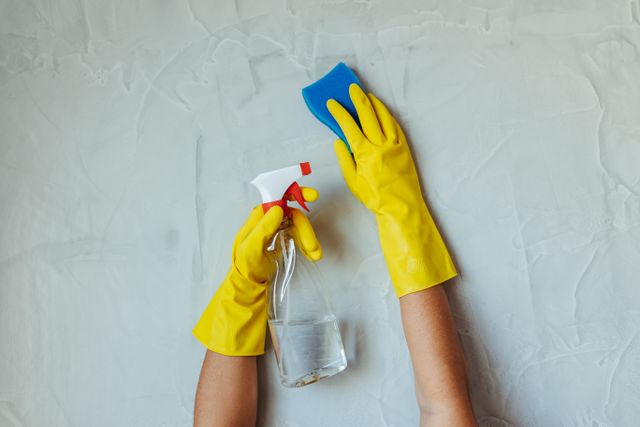
Daily life leaves its mark on our walls—from stray fingerprints and kitchen splashes to stray pencil lines and accumulated dust. Learning how to remove stains from walls helps restore their appearance without repainting. Choose gentle methods and test cleaners before treating visible areas. Regular care also protects paint and saves money.
Table of Contents
How to Remove Stains From Walls: Identify the Paint Finish
Before cleaning, check the paint finish. Flat and matte paints can lose colour or develop shiny patches when rubbed. Satin and semi-gloss finishes usually tolerate gentle cleaning better.
1. Remove Loose Dust Before Cleaning
Dust can turn into muddy streaks when mixed with water. Use a soft microfiber cloth or vacuum brush attachment. Work from the top downward. Knowing how to remove stains from walls begins with gentle dust removal.
2. Use Mild Soap for Everyday Marks
Mix a few drops of dish soap into lukewarm water. Dip a soft sponge into the solution and wring it thoroughly. Gently dab the mark instead of scrubbing. Cleanse the area with a soft, damp cloth and pat dry with a clean towel. For washable paint, how to remove stains from walls often starts with mild soap.

3. Treat Crayon and Pencil Marks Carefully
Children’s drawings may leave stubborn marks. Gently dab the area using a clean white eraser with light, even pressure. Brush away crumbs without rubbing them across the wall. For washable paint, try a damp microfiber cloth.
4. Handle Grease and Food Splashes
Kitchen walls collect oily fingerprints and cooking splashes. Mix mild dish soap with warm water and apply sparingly. Dab from the stain’s outside toward its centre. Avoid soaking the wall, especially near seams or damaged paint. Rinse lightly and dry immediately. This helps how to remove stains from walls without harsh scrubbing.
5. Remove Scuff Marks Without Rough Scrubbing
Shoe marks and furniture scuffs may respond to gentle cleaning. Start by gently wiping the area with a damp microfiber cloth using light, circular motions. If marks remain, try a diluted soap solution. Use a melamine sponge only after testing. This matters when considering how to remove stains from walls without leaving patches.
Make Wall Cleaning a Regular Habit
Dust walls every few weeks, especially near switches and doorways. Clean fresh splashes promptly before they settle. Keep furniture slightly away from walls to prevent scuffs. Use washable paint in busy areas. Regular routines make how to remove stains from walls easier over time.
Conclusion
Clean walls do not always require fresh paint. Identify the stain, consider the finish, and begin with the gentlest method. Test cleaners in an inconspicuous spot and avoid aggressive scrubbing. Address any surface damage or peeling paint before attempting to clean. Knowing how to remove stains from walls carefully protects the finish and keeps your home looking fresh.
[Read How to Fix Damp Walls at Home After Monsoon]
FAQs
What are the most common causes of stains on painted walls?
Common causes include food splashes, fingerprints, crayon marks, dust, grease, water leaks, mold, and accidental spills. High-touch areas often develop visible stains faster.
How can I remove stains from walls without damaging the paint?
Use a soft microfiber cloth with mild soap and lukewarm water. Gently wipe the stained area, avoid excessive scrubbing, and test cleaners beforehand.
What are the most challenging wall stains to eliminate?
Grease marks, permanent ink, crayon drawings, water stains, and mold spots are particularly difficult. Some require specialised cleaning or repainting for complete removal.